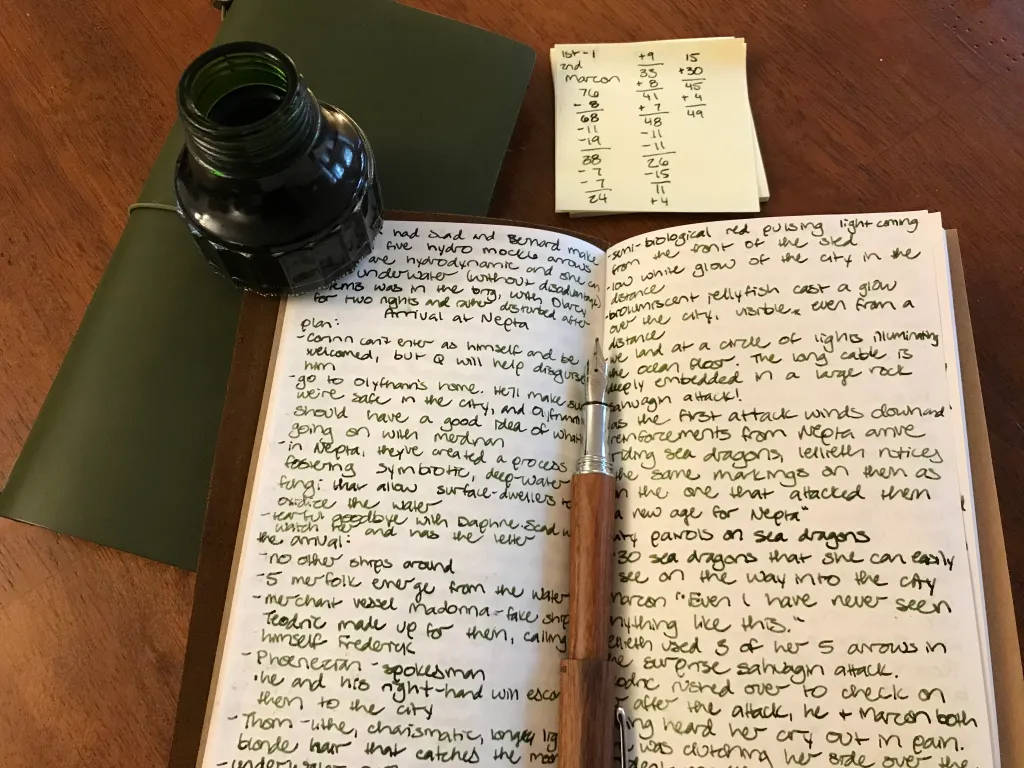
A good D&D story isn’t about a perfectly written plot—it’s about creating a fun, engaging experience for the players. Unlike books or movies, D&D is interactive, which means the story is shaped by player choices. The best stories give players agency, clear goals, and interesting situations to react to. When players feel like their decisions matter, they become invested, and the story naturally becomes more exciting.
Keeping the story engaging often means balancing structure and flexibility. A strong central direction (like a main quest) helps avoid confusion, but the DM should stay open to unexpected choices. Tools like light railroading, improvisation, and adapting events on the fly can help maintain momentum without making players feel forced. The goal is to guide the story, not control it.
Most importantly, a good story is one that matches what the table finds fun. Some groups enjoy deep roleplay and serious themes, others prefer fast-paced combat or humor—and many enjoy a mix of everything. By paying attention to what excites the players and keeping the narrative moving toward meaningful moments (including a satisfying ending), the DM creates a story that feels alive, memorable, and worth telling